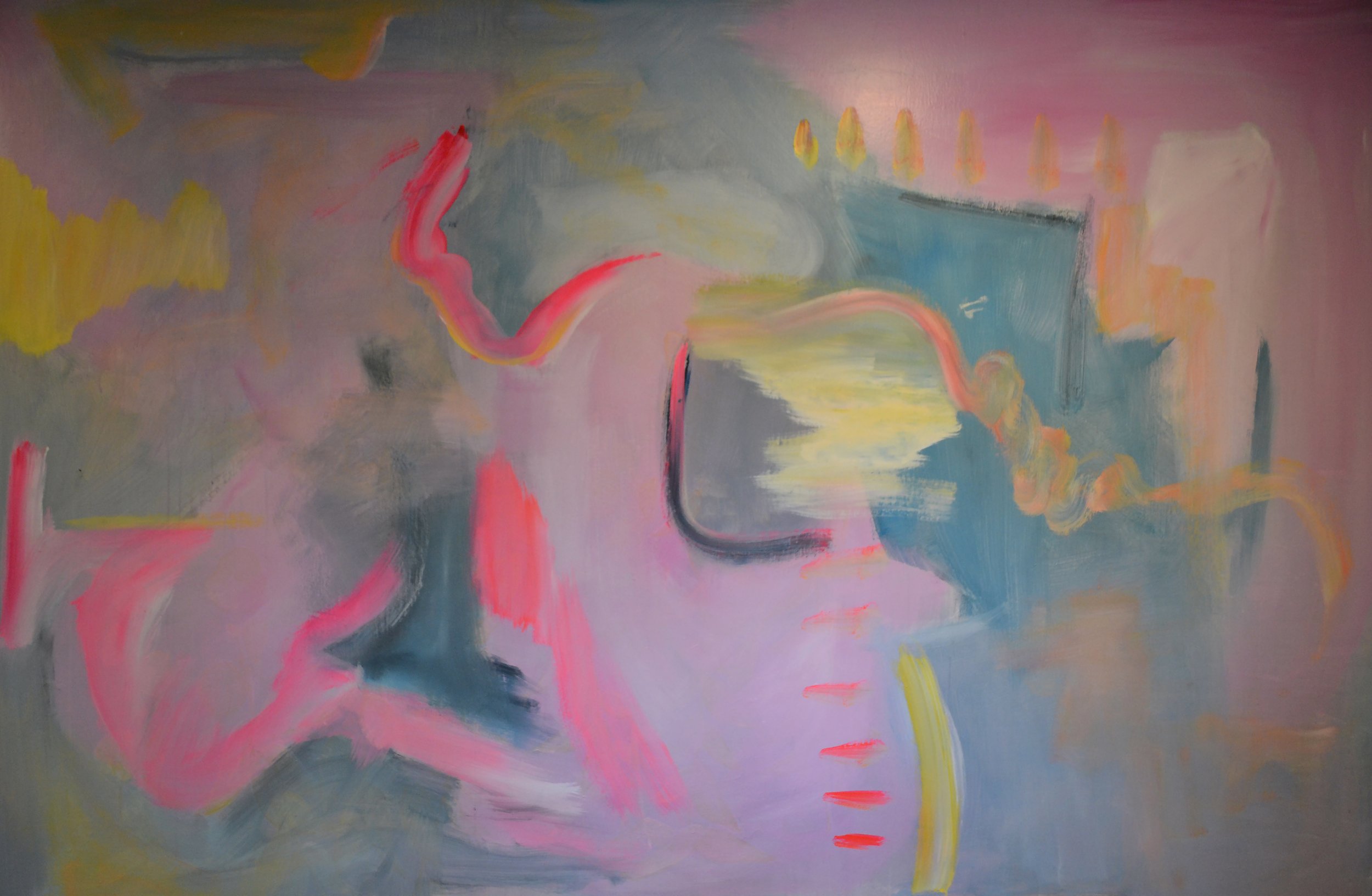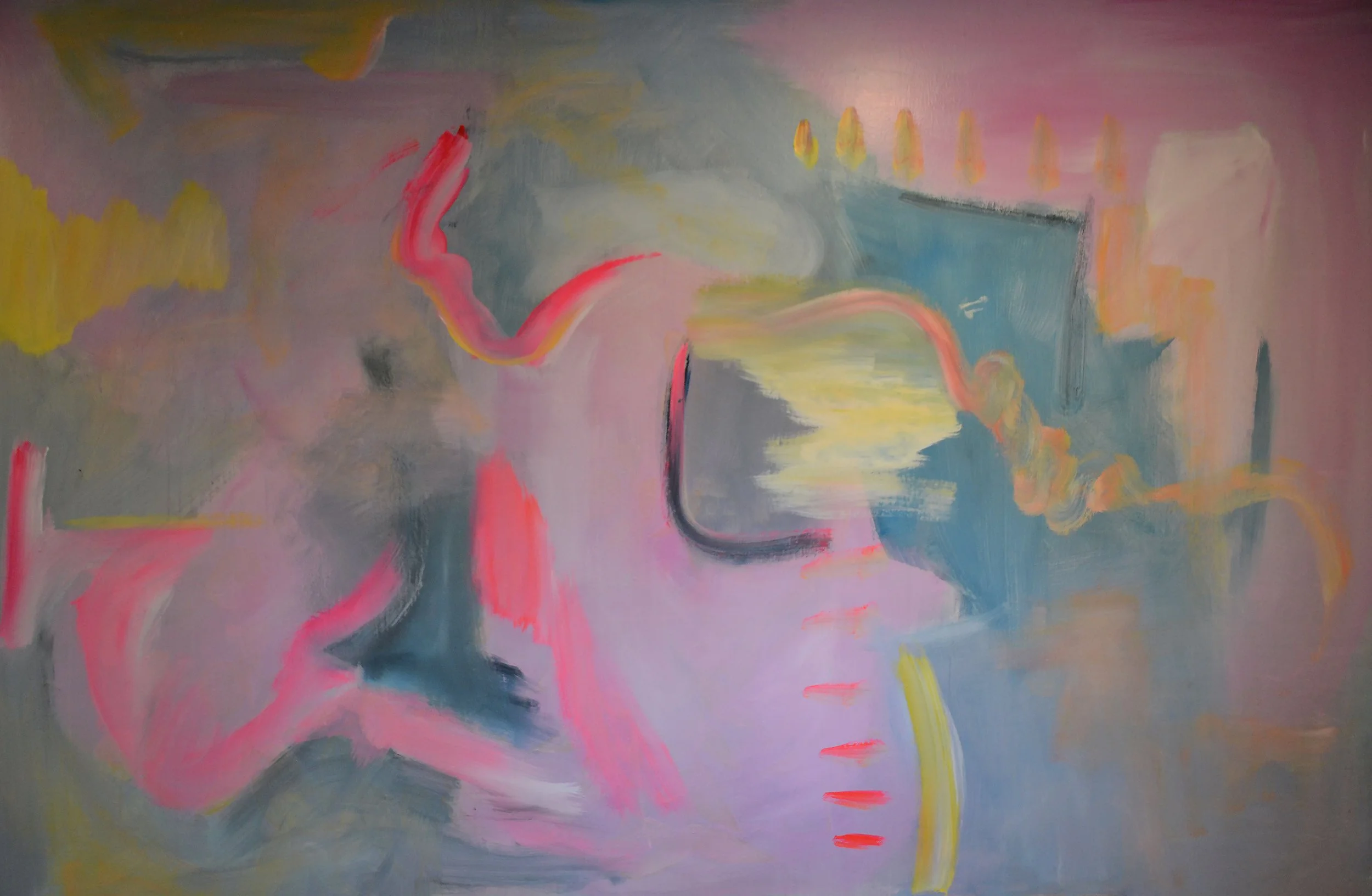
Murals tell a big story
Let’s work together to tell yours.
In my mural work, I use my skills with color and mark making to create an engaging, exciting, and creative space in your business, home, or school. While I love working with plants and abstract space, I will work with you to bring your vision to life. My favorite projects are collaborative ones that get many peoples hands and minds involved.
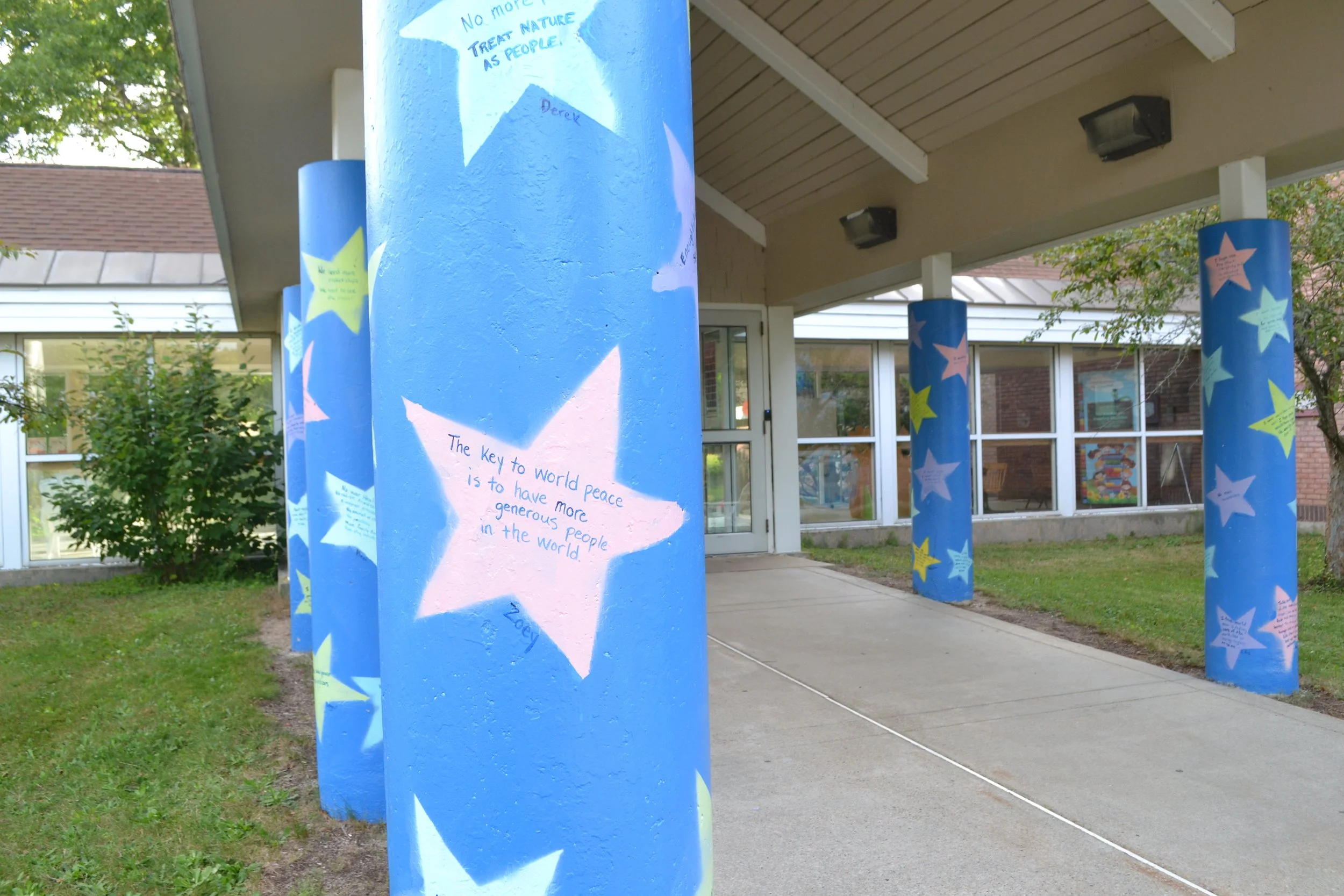
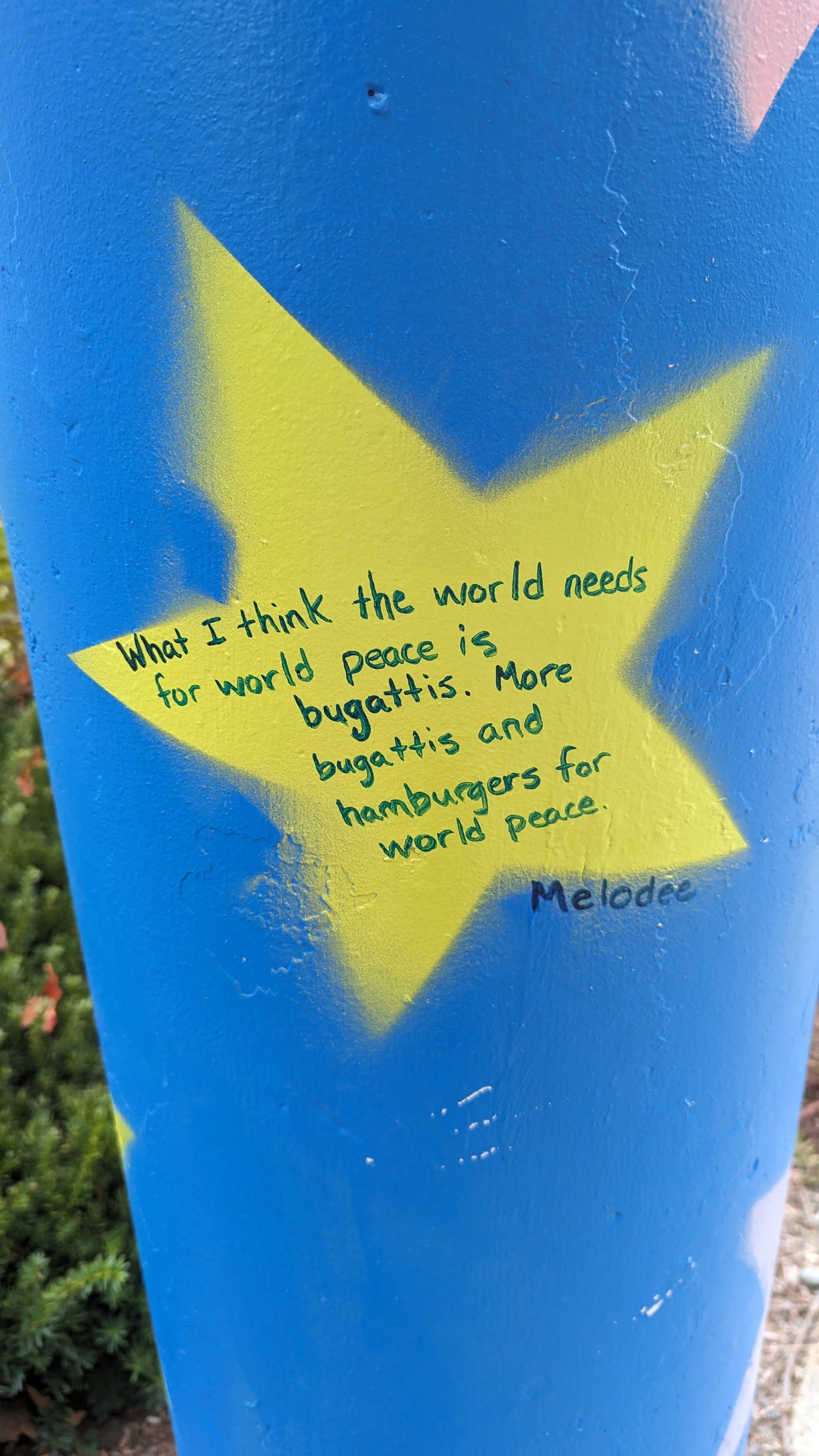
Painting the Future Bright at West Villages
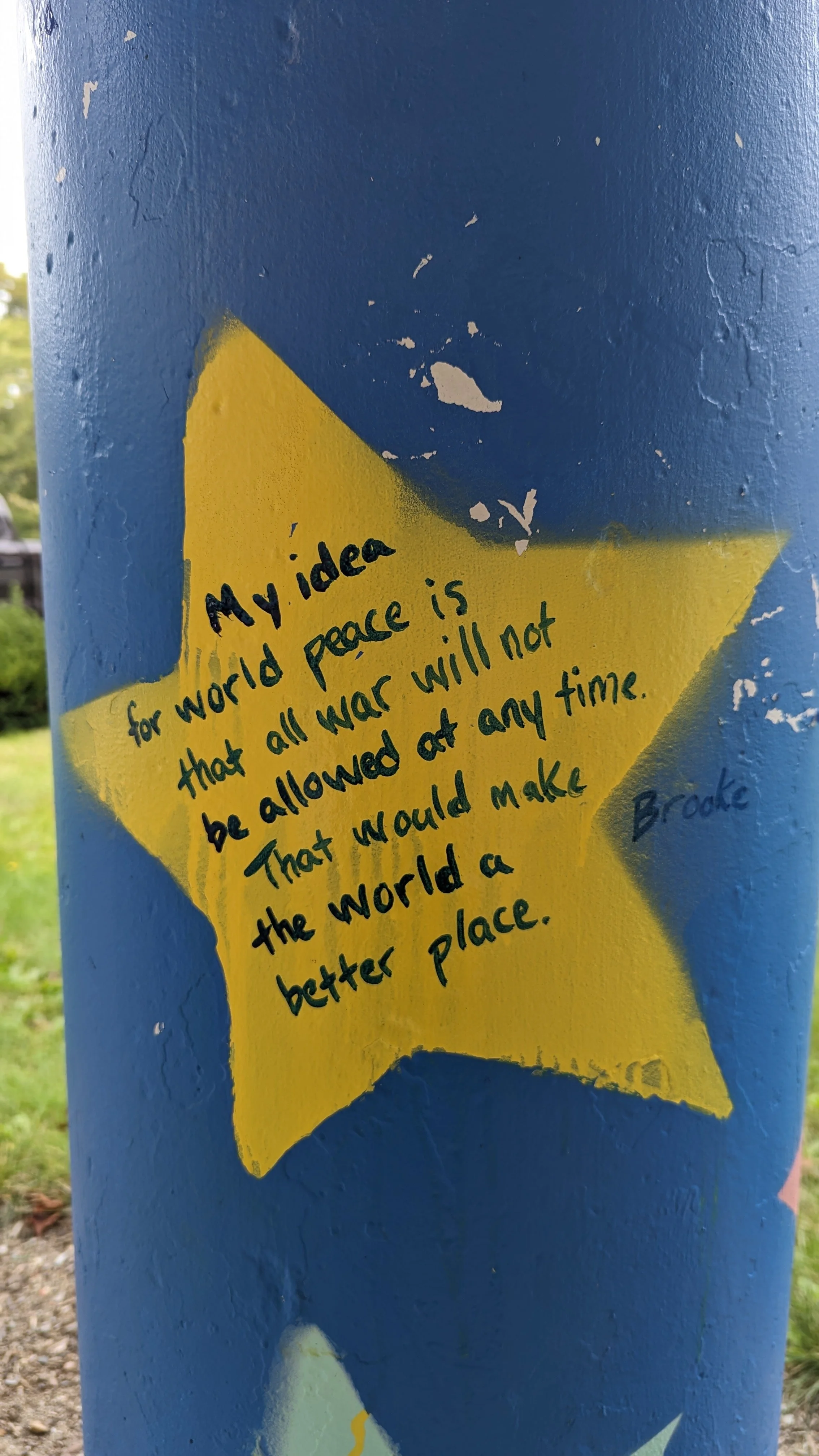
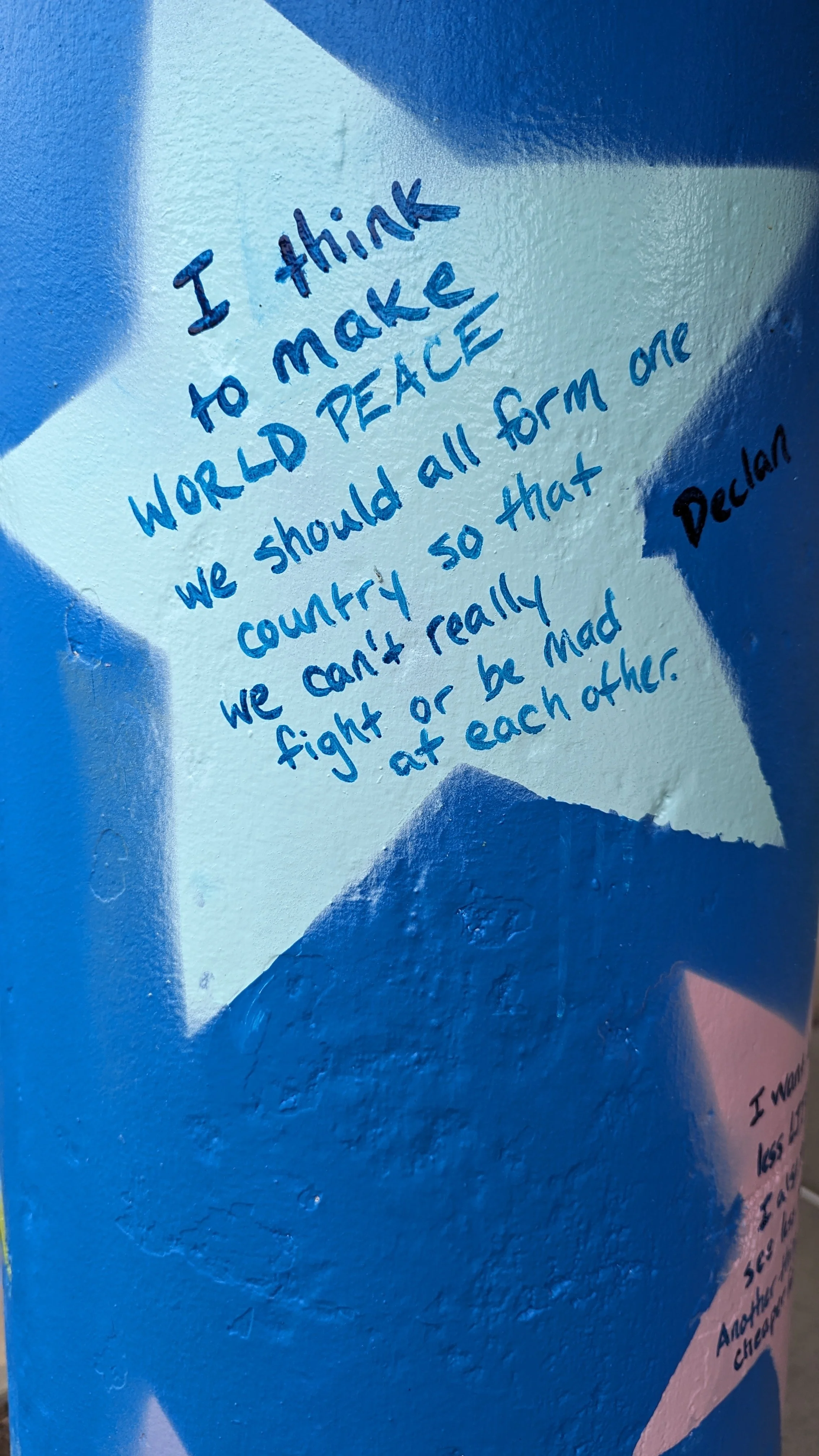
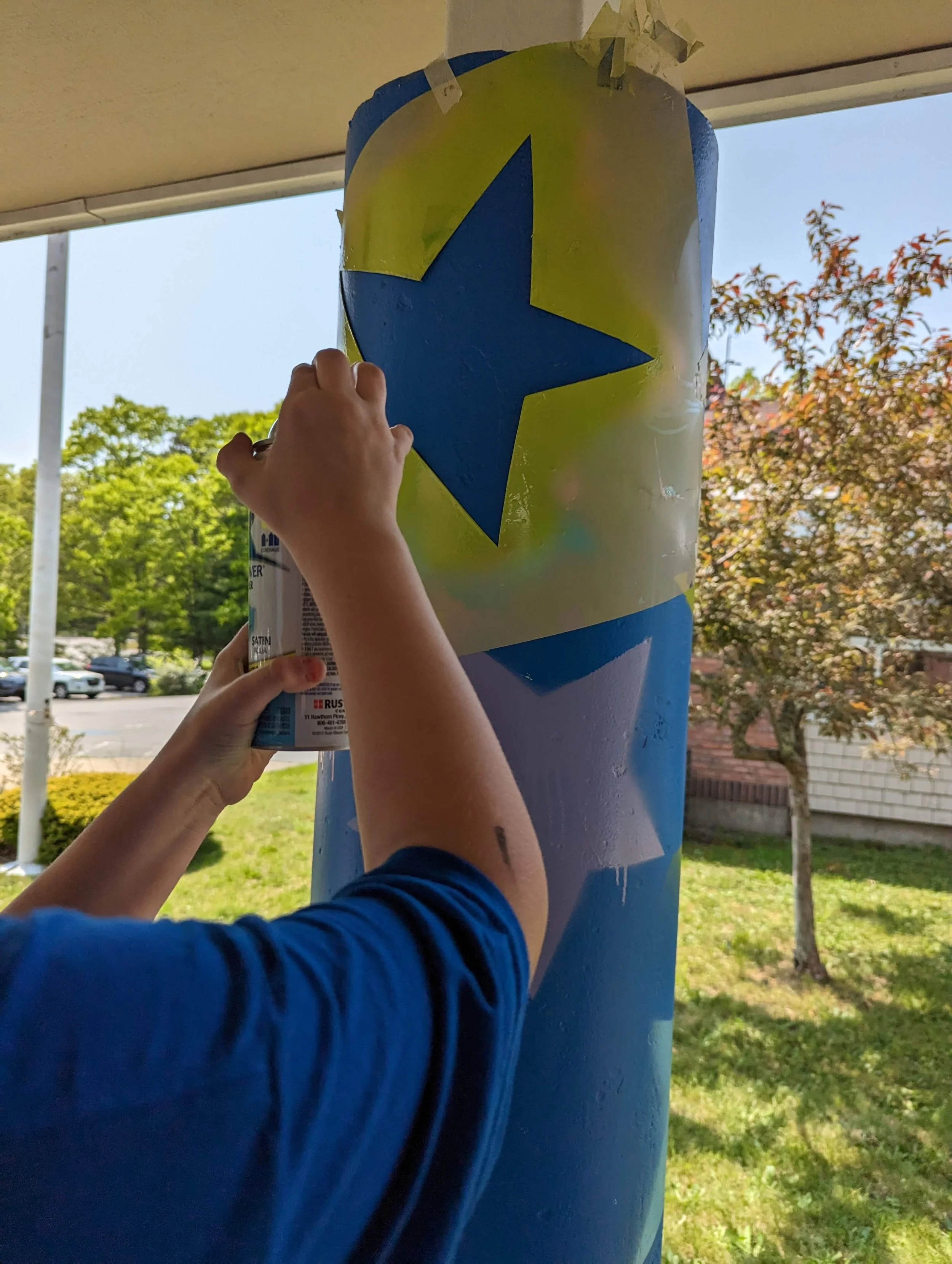
West Villages Elementary School wanted to create a welcoming front entrance that highlighted their belief in creating child centered safe spaces.
We included the students in the hands-on creation of this project: each student spray painted a star onto the pillar using a stencil and each student shared what they hope the future will be like. I have a belief that what we create as artists grows in the world, and if that is true, these students will indeed by painting the future bright.
Stewards of our sacred land
My initial desire to create this mural was rooted in a desire to complicate the narrative of maritime luxury that local commerce commissions and local leaders embraced to ride to coattails of JFK who summered on Cape Cod in Hyannisport. While this is an element of Cape Cod culture, it is only one piece of a much more complicated dynamic. Cape Cod has been, and to an extent continues to be, a rural poor community. Until recently, most people lived off the land and sea (some still do), and the bartering economy continues to be strong. Cape Codders are highly communal, frequently sharing what excess they have and offering to lend a hand when there is a project that needs to get done.
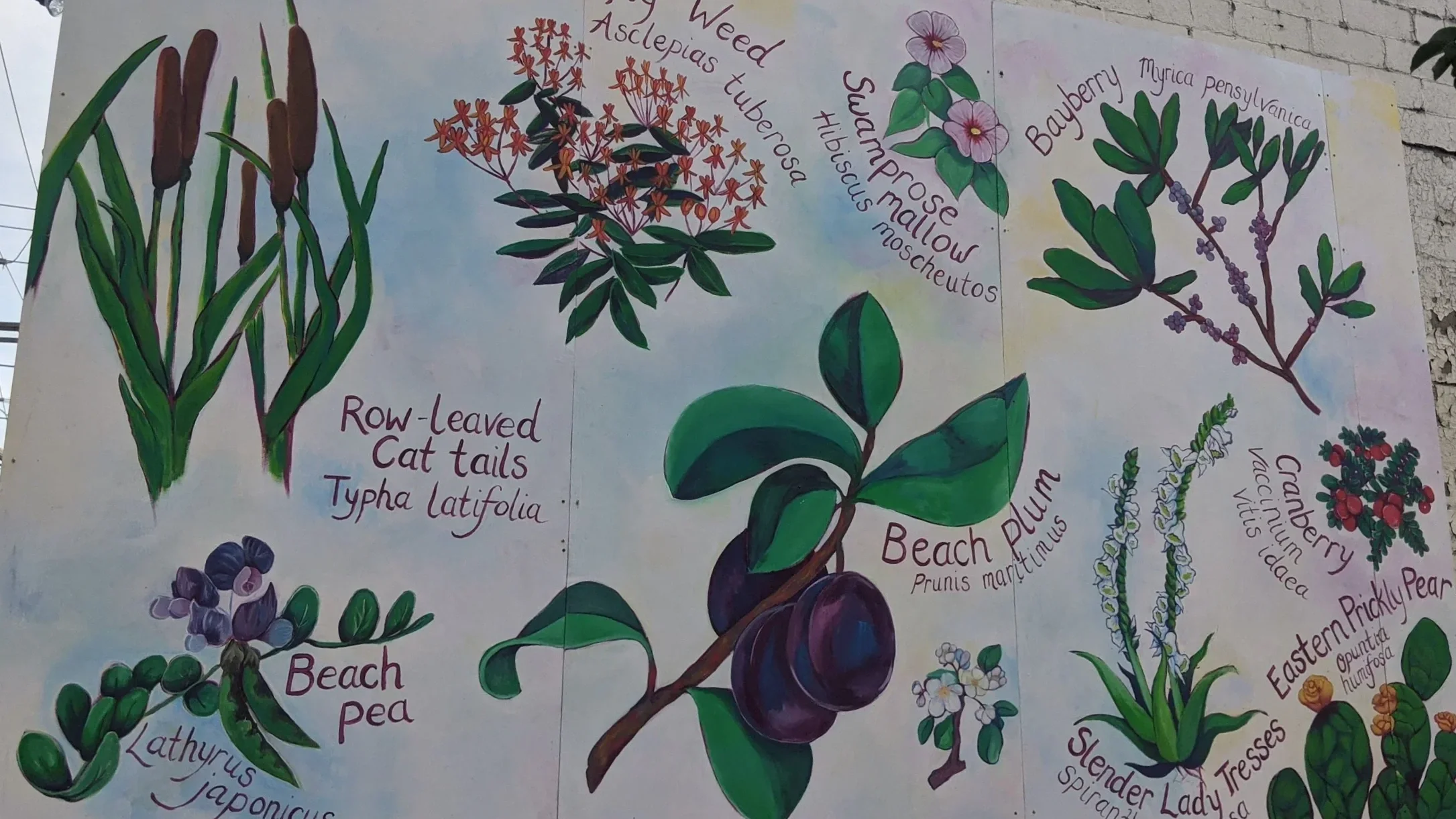
This mural is part of my ongoing investigation as an artist into what it means to belong on Cape Cod. The ecology of a landscape and our relationship to it is one piece of belonging to a place. One of the most iconic plants on the Cape, the blue hydrangeas, are actually symbols of imperialism and were brought by the English who had also colonized Japan. The hydrangea requires significant water and soil amendments, and due to the fragility of our water supply, it is passed time to let go of this symbol and return to plants that nurture our ecosystem.
All the plants featured in this mural are native to the Cape and vital to our ecosystem and folk history. While many are edible, many are also rare, and should you forage please do so responsibly. An even better action would be to cultivate your own plants. The Food Forest Movement is a great place to start looking into how we can cultivate the land in a more gentle way that is in line with the historic practices developed by indigenous tribes. On Cape Cod this is the Wampanoag Tribe who are still an active and present people.
As a part of my efforts to complicate the narratives of what Cape Cod history is and who belongs here, I interviewed Paula Peters, member of the Wampanoag Tribe. From her Wikipedia page, “Paula Peters is a journalist, educator and activist. A member of the Wampanoag tribe, she has spent most of her life in her tribal homeland of Mashpee, Massachusetts. She hails from a prominent Mashpee Wampanoag family, including Tribal Chairman Russell "Fast Turtle" Peters (her father), and was active in the tribe's long and contested push for federal recognition. In a 2006 interview with NPR, Peters recalled a time when "nobody in Washington cared much about which tribes were recognized." Like her father before her, Peters served on the Mashpee Wampanoag Tribal Council. In 2005, she ran against Glenn Marshall for Council Chairperson.”
Paula authored the book “Mashpee Nine” a historic account. of an incident of police brutality against nine Mashpee men and the cultural influence that incident and subsequent trial had on a local and national scale. This book can be found online and in her store, The Wampanoag Trading Post and Gallery.
In the transcript of our interview below, Paula introduces herself in Wôpanâak, the indigenous language of the Wampanoag tribe. Out of respect for community guidelines, and at Paula’s request I have omitted the transcript of her introduction.
Land Acknowledgement
This mural is located in Hyannis, MA on land that is now known as Cape Cod, but once was known as Nauset. It is home to the Wampanoag Tribe, People of the First Light. The Wampanoag Tribe accepted the Pilgrims when they landed in 1620 and were crucial to their survival, providing them food and teaching them how to cultivate the land and the seas. The Pilgrims and following settlers broke treaties and swindled land from the Wampanoag people who continue to fight for land access to this day. More information about the Wampanoag People and their history can be found on their website.
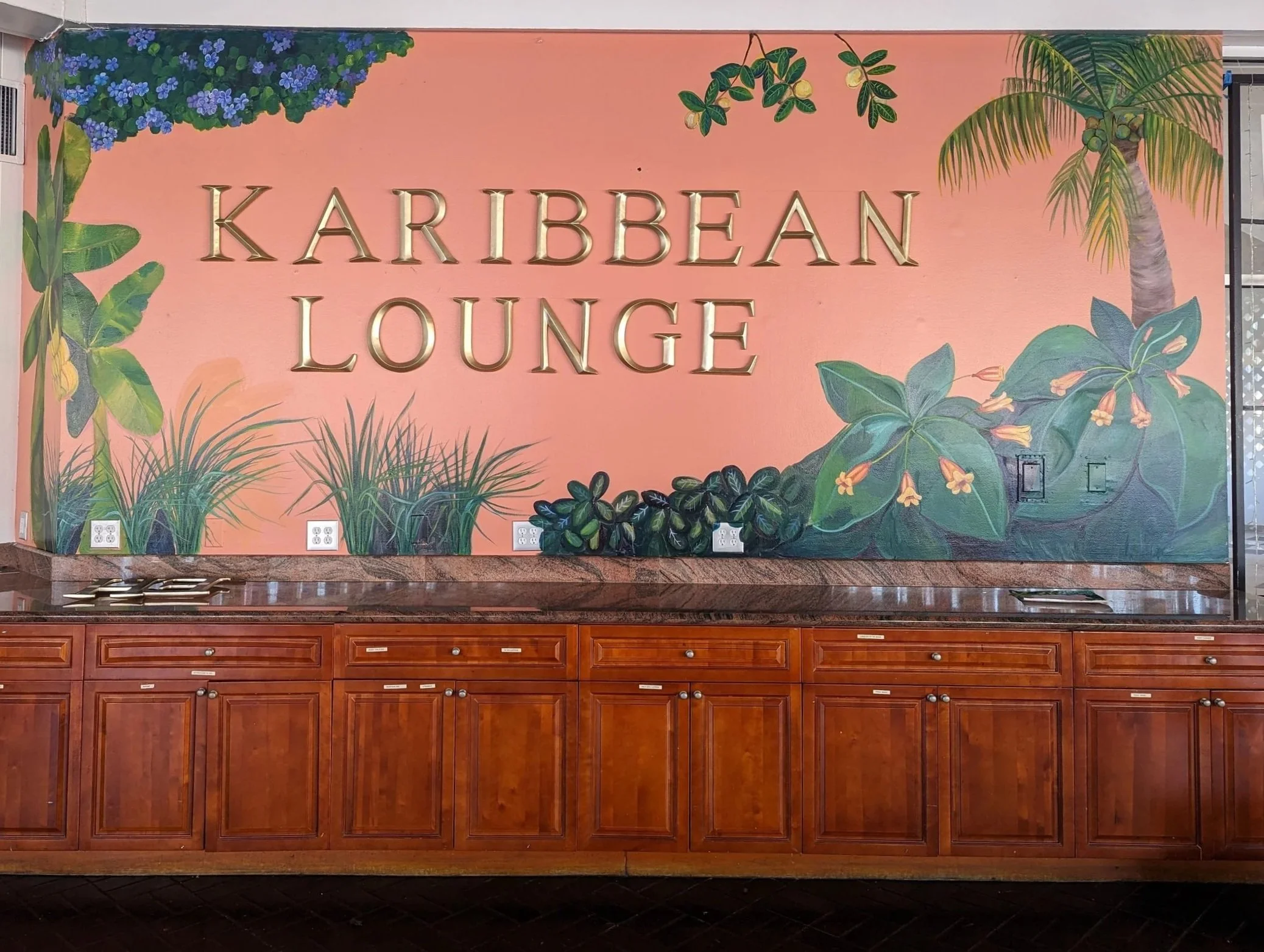
The Karibbean Lounge
The Karibbean Lounge, formerly located on Main Street in Hyannis, MA, wanted to bring the Caribbean to Cape Cod with this mural highlighting flora from Jamaica.